
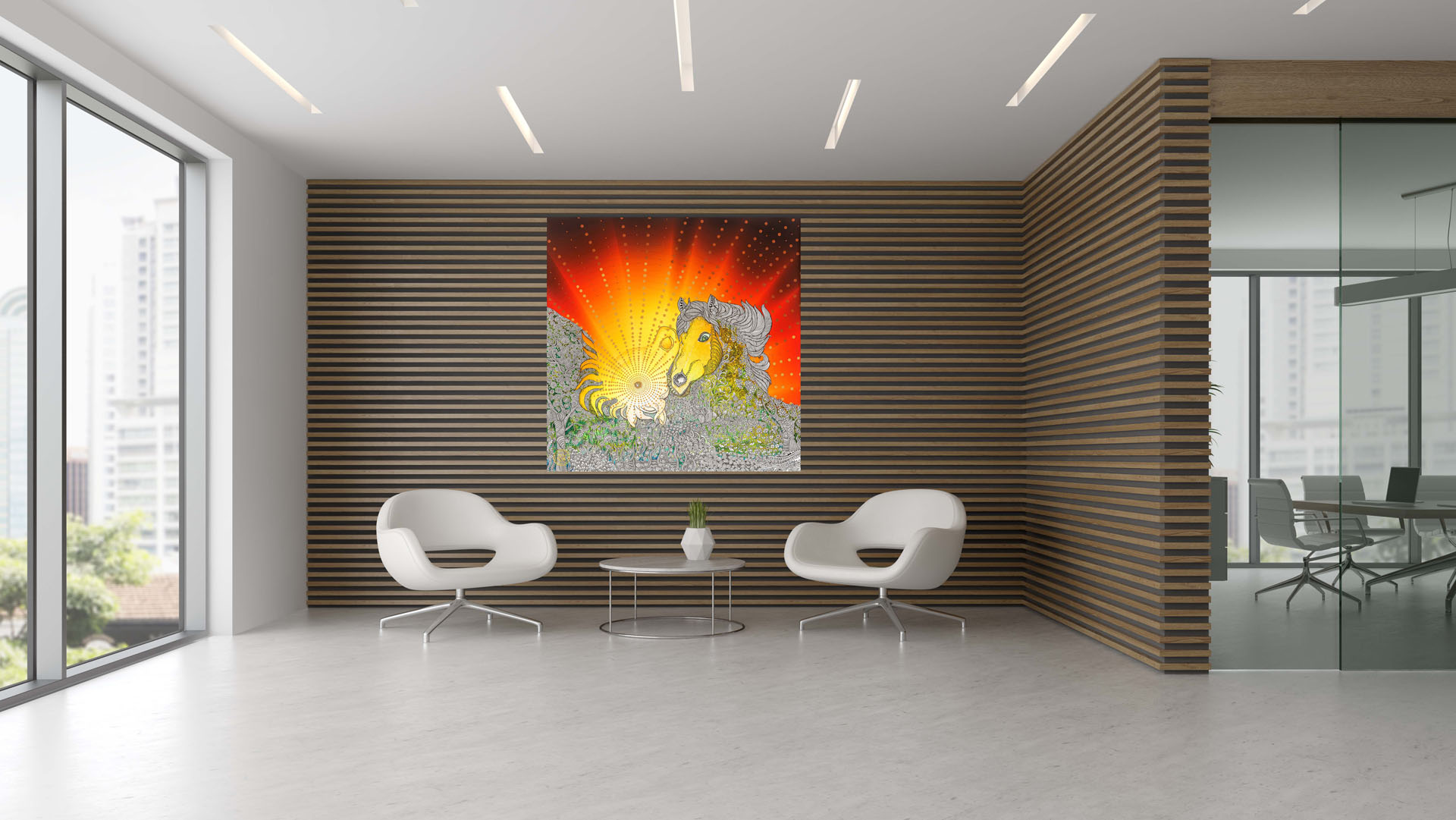
Rising Above
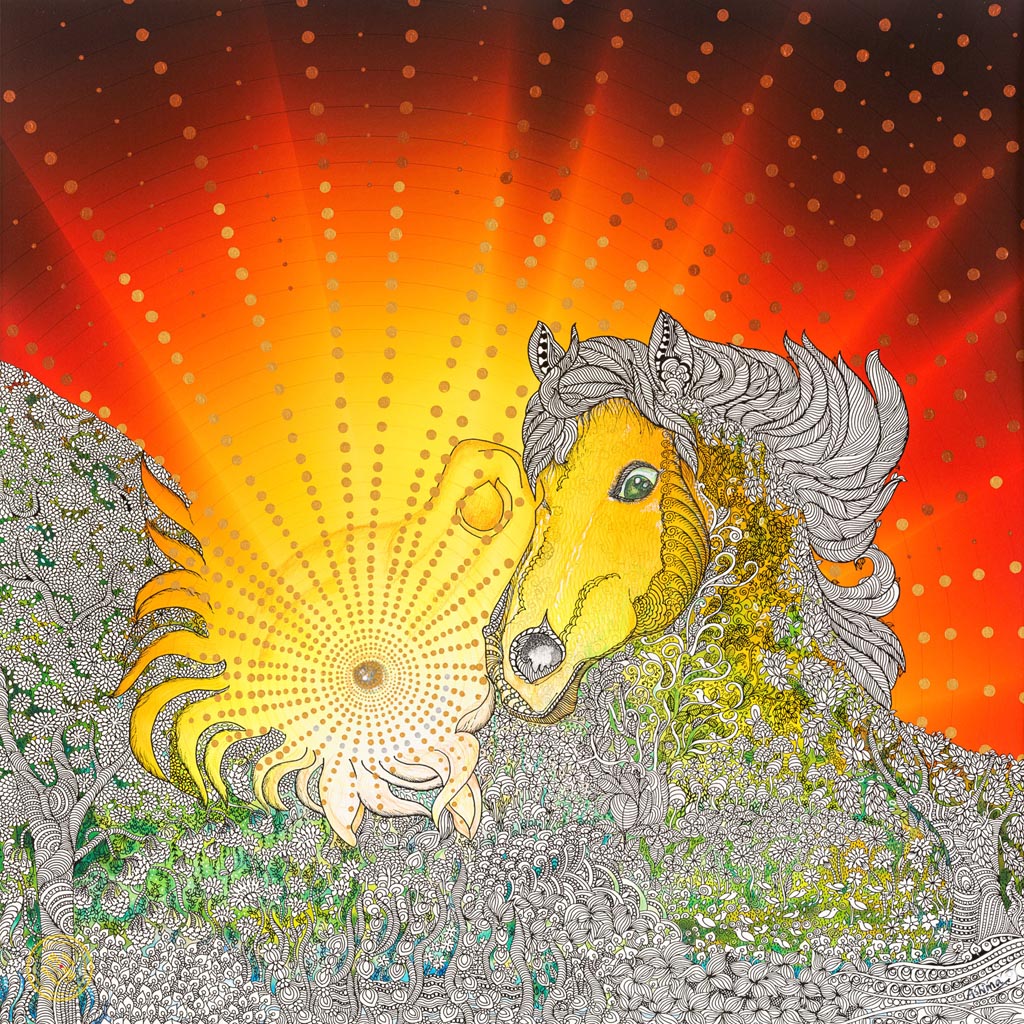
The mighty horse
And the rising sun
The race of Life
And the will to run.
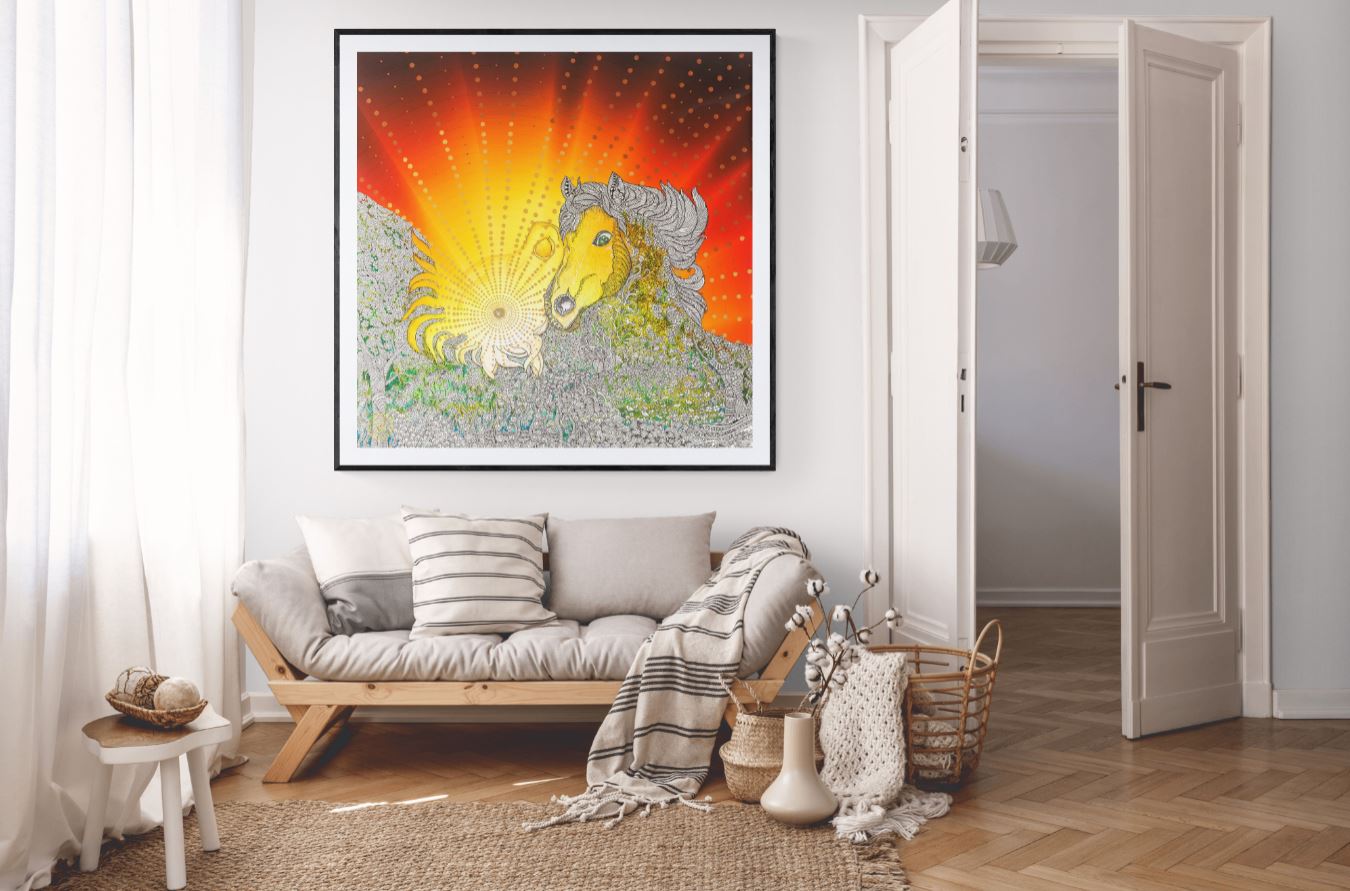
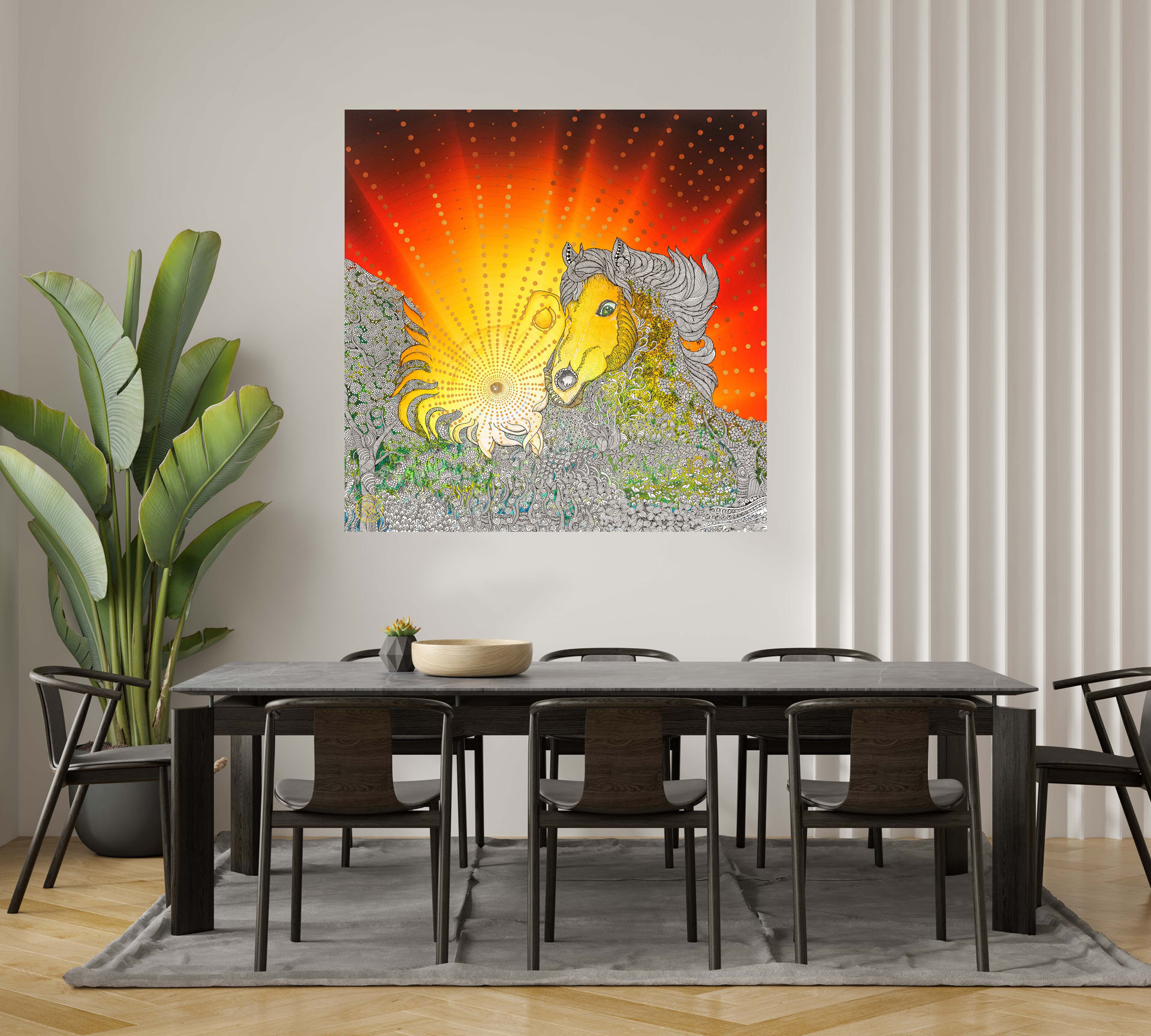
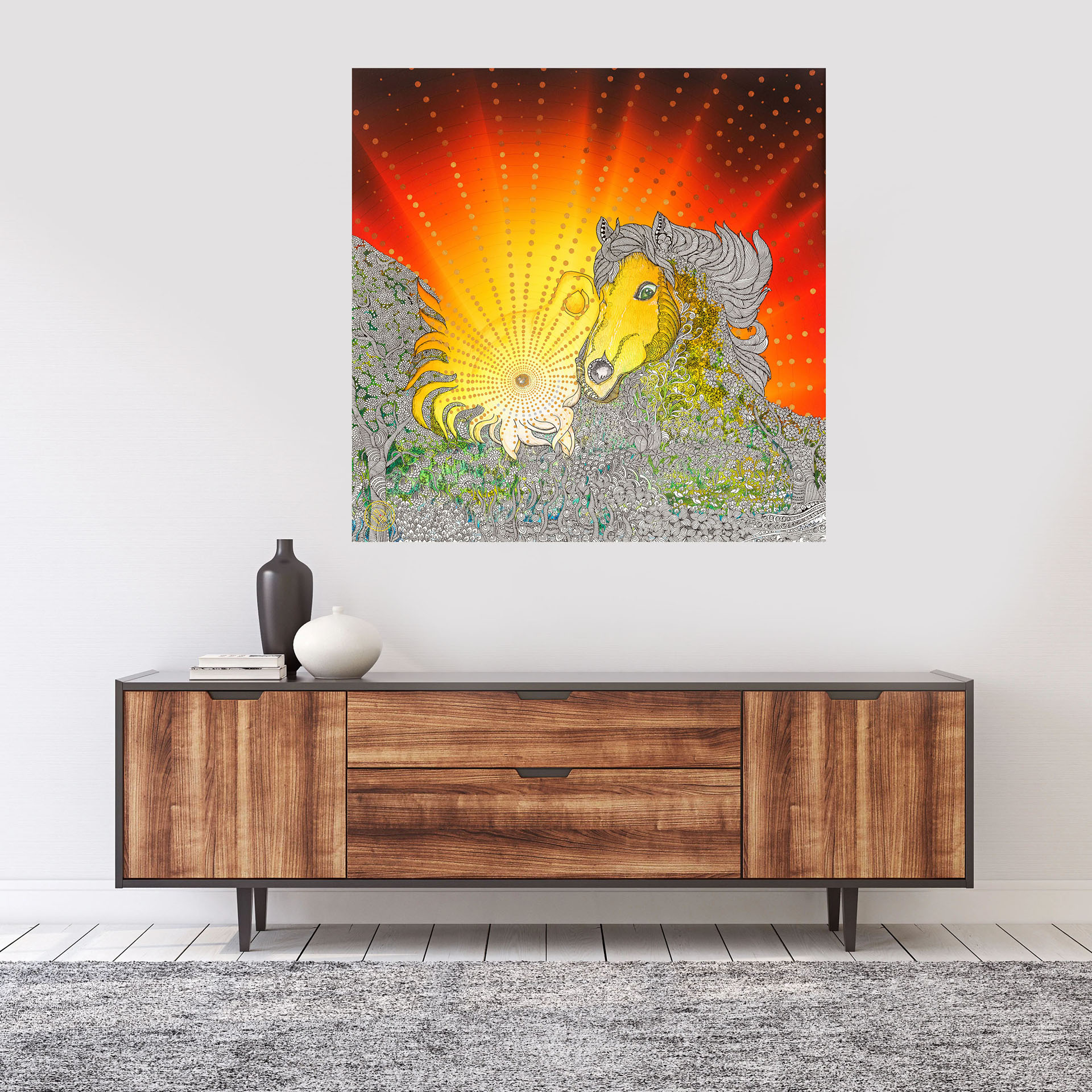
The third in a “The Reflections” collection of three artworks by Ashima Kumar to be released is Rising Above. These paintings represent three attributes of the human mind, the horse representing the race of life. Collectively they symbolise man’s desire to reach his/her eternal goal – the merger with the Supreme Being.
£ 90.00 – £ 550.00
More like this
-
Sleeping Angel
£ 95.00 – £ 400.00 BUYThis artwork by Italian artist Pietro Di Giovannantonio symbolises the belief common to different faiths, that we are never alone, there is always a guardian angel beside us – watching over us and protecting us.
Central to the painting is a sleeping angel, who is dressed in heavenly white and looks serene and calm. A golden ring of divine light surrounds the angel, who appears to be floating through the sky, as if in a dream.
This piece symbolises this intimate bond that our guardian angels share with us as they lead us to the path of righteousness. This guardian angel has descended onto earth from heaven above to protect its believer from evil and generate good and fruitful thoughts.
Artist: Pietro Di Giovannantonio
-
Shiva Nataraja – The Cosmic Dancer
£ 105.00 – £ 800.00 BUYThe statue of Lord Shiva performing the cosmic dance, is one of the most iconic and enigmatic symbols of Hinduism. The ‘Nataraja’ represents enlightened people that have mastered their emotions, nurtured a balanced personality and understand their True Self.
Artist Parama Libralesso recreates this divine pose in his psychedelic artwork. Here Shiva, in his Nataraja avatar, is in the midst of his doomsday dance – signalling the dissolution of the universe with the closing of an eon. He is surrounded by a circle of fire, which represents the universe that is up in flames, while he remains calm. In His upper right hand, Shiva is holding the damru (an hour-glass shaped drum), whose vibrations create the universe. In the upper right hand, He holds Agni, or the fire that signifies regeneration or transformation – implying constant change.
The second left hand points towards the raised foot which signifies upliftment and salvation. It also follows the form of an elephant trunk, alluding to wisdom. Shiva’s right foot is trampling a dwarf-like figure called Apasmara, a demon who represents the negative aspects of ignorance and ego. Shiva is signalling the destruction of these negative traits in order for us to attain self-actualisation. The snake that coils around Shiva’s neck signifies this His mastery over being calm even in life’s most fearful moments.
The entire image of the Nataraja is an assurance to us that creation is not a chaotic and accidental phenomena but a guided and rhythmic movement under the mastery and control of the eternal self and that we too can become masters of our own movements and action by liberating ourselves from the limitations of our ego and delusion.
-
Rod of Asclepius
£ 90.00 – £ 400.00 BUYThe Rod of Asclepius is the most prominent symbol of healthcare, healing and medicine in the modern world. Its origins, however, can be traced back to Greek mythology and represents the medical prowess of the demi-God Asclepius, who was known for his healing powers.
The Rod of Asclepius includes two elements. The staff, which is a symbol of authority and a serpent coiled around it. According to Greek mythology, Asclepius got his medical knowledge through whispering snakes, who have the ability to shed their skin and emerge healthier than before. They, therefore, represent rebirth and rejuvenation.
Artist Ovidiu Kloska marries these two worlds to create his visually stunning interpretation of this symbol that was commissioned by Art-ma.