
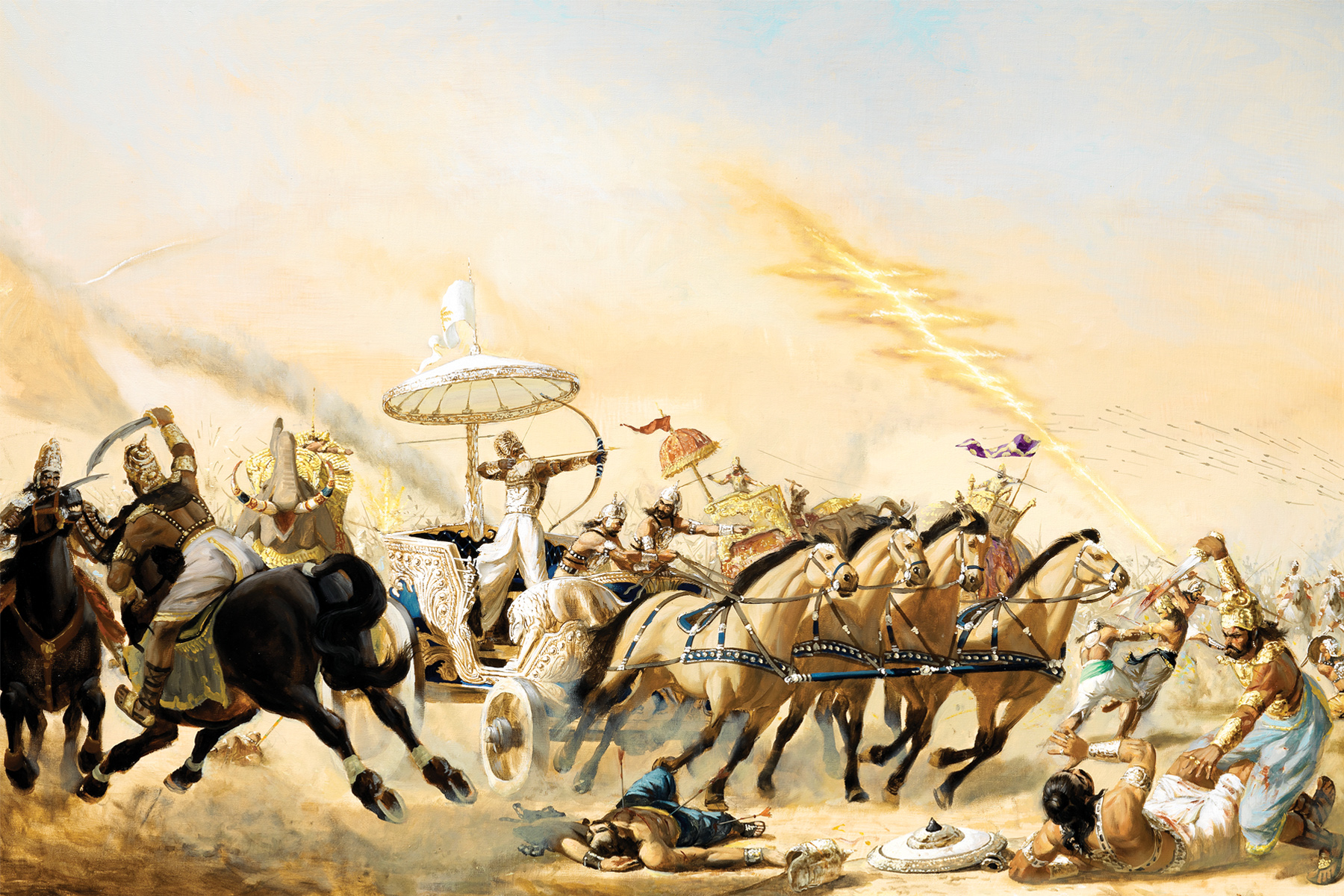
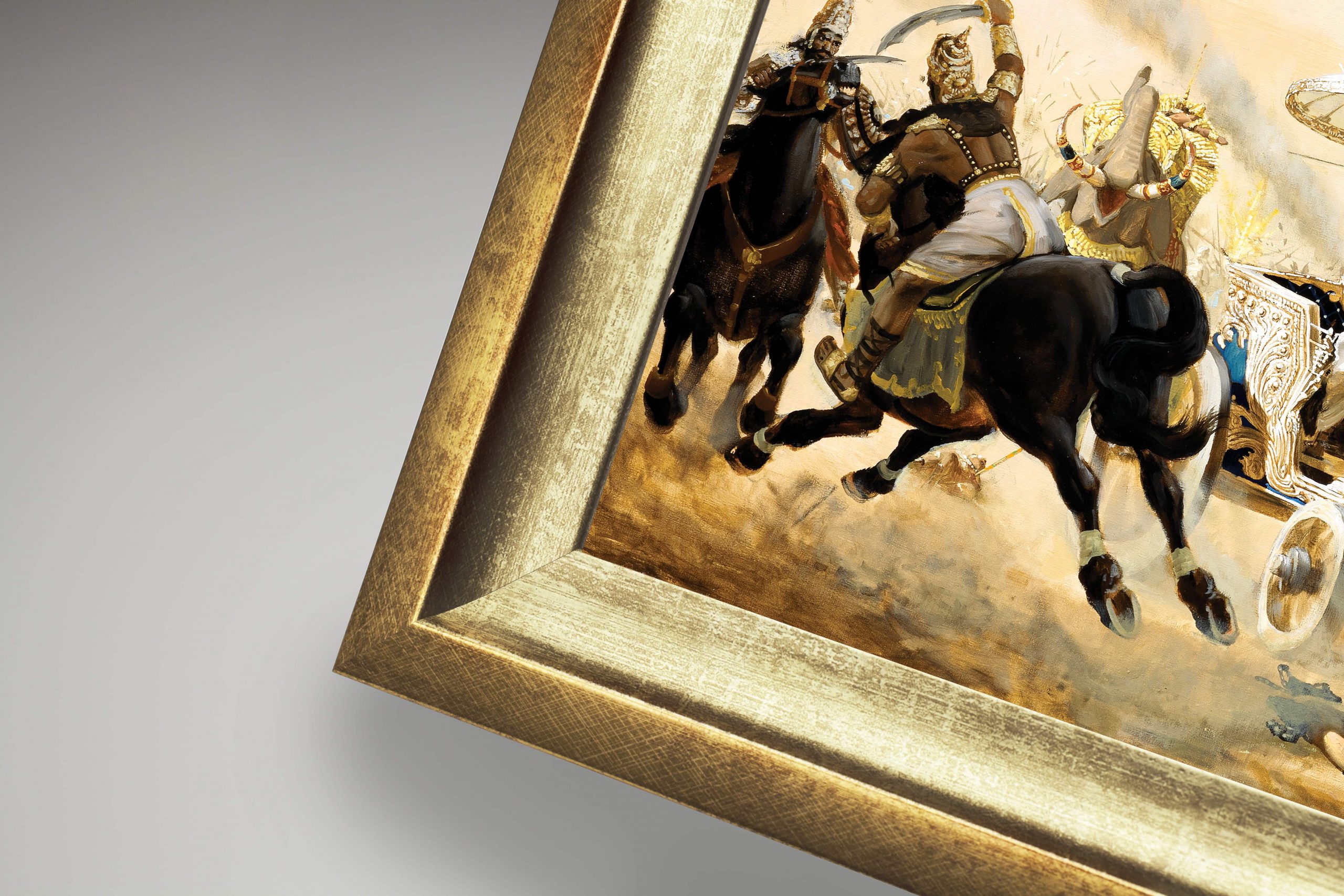
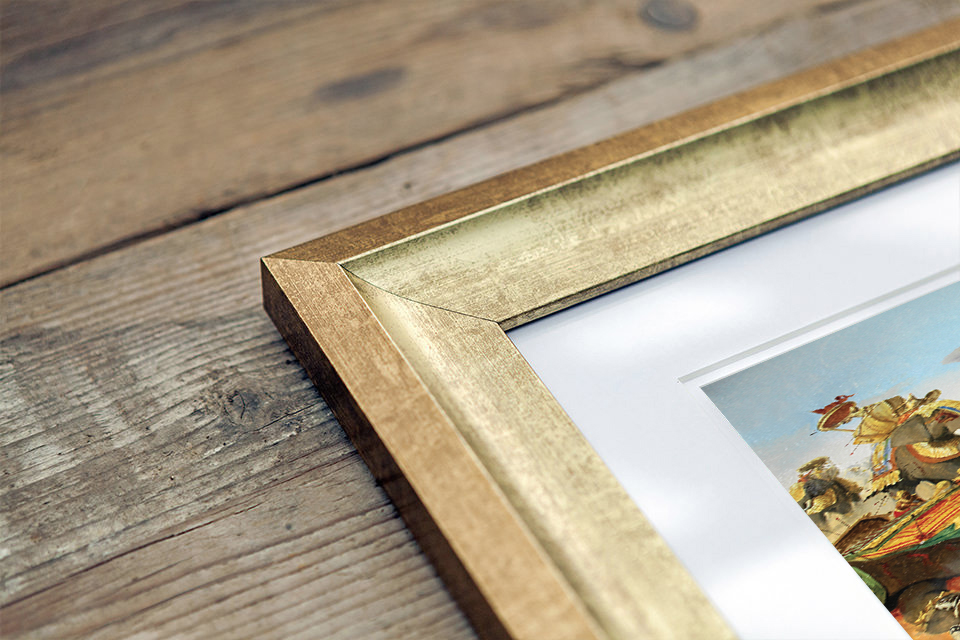
Mahabharata – The Rush of the Hero
Bhismadeva, also called Pitamaha – the patriarch, is an oxymoron between old age and his surprising agility and superhuman strength. Fate and code of honour had decided that he was to stand against the Pandavas. Even as he was fighting them in his heart he was on their side.
£ 165.00 – £ 755.00
More like this
-
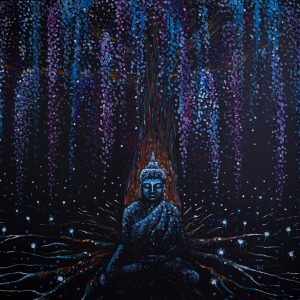
Winter Buddha – Absorbing Energy
£ 90.00 – £ 550.00 BUYInspired by the story of Buddha finding enlightenment whilst meditating underneath the Bodhi tree without moving for seven weeks.
This piece, one of a collection of 4 representing the four seasons of Buddha, pushes the boundaries of natures’ potential further. At night we see that the plants and weeping willow provide natural light and a source of energy for Buddha. This piece conveys serenity and spirituality, and being at one with your surroundings. With a similar colour scheme throughout, the Buddha and the tree become ‘one’ during his quest for inner peace.
Artist: Karun Soni, Original Media: Oil on canvas
-
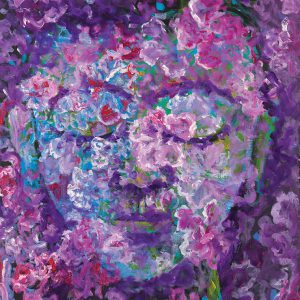
Spring Buddha – Cherry Blossom
£ 125.00 – £ 560.00 BUYThis piece, the second in a collection of 4 representing the four seasons of Buddha, pushes the boundaries of natures’ potential further, to the point at which Buddha is immersed so much in nature, both are evenly depicted in the composition. Buddha has a length of time completely alone with nature, which makes him at peace, and a part of his surroundings.
The Spring Buddha – Cherry Blossom artwork is a melange of shades of purple, pink and blue painted on the canvas, depicting the colours of the season. Subtly in the background you can see Buddha, eyes closed, in his meditative state. This piece conveys serenity and spirituality, and being at one with your surroundings.
Artist: Karun Soni, Original Media: Oil on canvas
-
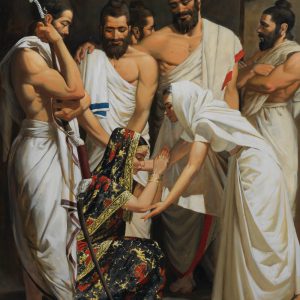
Mahabharata – Kunti and Draupadi
£ 160.00 – £ 795.00 BUYAn intimate simplicity characterises the meeting between Mother Kunti and Draupadi. The painting is devoid of any decorative superfluity. Light is the protagonist of this painting. Taking vantage of the plot in which the Pandavas and their Mother Kunti are in disguise as Brahmanas. They were dressed simply and in white. The white drapery dominates all the lighting, framing the rich black regal sari of Princess Draupadi.
Although Maharaja Draupada’s daughter was elegantly dressed she submits herself to the role of respecting her future mother in law. She was promised to be the wife of the five Pandava brothers, but first she needed to be accepted by their mother!